Got a NYC DOT Sidewalk Violation? What It Means, Your Deadline & How to Fix It
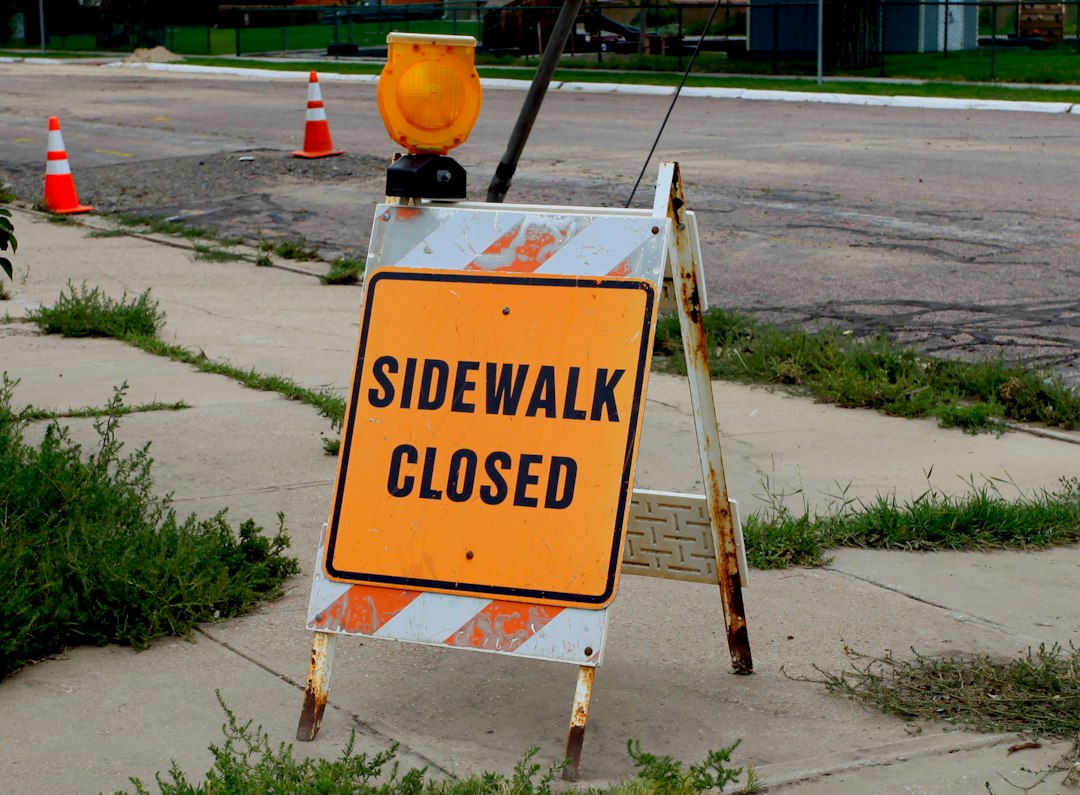
Receiving a notice for an **NYC DOT sidewalk violation** can feel like a punch to the gut. I get it. That official-looking letter often brings with it a wave of panic, especially the fear of unexpected costs or, even worse, the city stepping in and billing you for repairs at potentially inflated rates. But here's the good news: you're not alone, and this situation is completely manageable once you understand what's happening and what steps to take. As an expert in navigating these very waters, I'm here to walk you through everything you need to know about your NYC sidewalk violation, from deciphering the notice to ensuring a smooth, compliant fix.
## Demystifying Your NYC DOT Sidewalk Violation Notice
So, you've got the dreaded letter. Your first instinct might be to toss it in a drawer and hope it disappears, but that's the last thing you want to do. Let's break down what an **NYC DOT sidewalk violation** actually is and what that notice means for you.
Essentially, a sidewalk violation is issued when a portion of the sidewalk adjacent to your property doesn't meet the safety and structural standards set by the New York City Department of Transportation (DOT). The city's goal is to maintain safe public pathways for pedestrians, and property owners are typically responsible for the condition of the sidewalks immediately bordering their land. The notice you received will detail the specific defects that were identified during an inspection. These can range from trip hazards caused by sunken slabs, uneven surfaces, or cracks and spalling, to more complex issues like improper slopes, inadequate drainage, or damage from tree roots.
The notice will clearly state the property's Block, Lot, and Borough, along with the specific sections of the sidewalk that require attention. It's crucial to understand that this isn't just a suggestion; it's a formal order to repair the identified issues.
## Understanding Your Deadline and the Consequences of Inaction
One of the most critical pieces of information on your **NYC DOT sidewalk violation** notice is the deadline. Typically, you'll be given 75 days from the date of the notice to complete the necessary repairs and have them inspected by the DOT. This timeframe is not a suggestion; it's a hard deadline that requires prompt action.
What happens if you miss this deadline? This is where the fear of inflated costs becomes a reality. If the 75 days pass and the DOT hasn't received confirmation that the repairs are complete and satisfactory, they have the authority to step in and perform the repairs themselves. This is called a "default" repair, and while it resolves the safety issue, it comes with significant downsides for the property owner.
* **Exorbitant Costs:** The city's repair costs are often substantially higher than what you would pay a private contractor. This is due to administrative fees, overhead, and the city's contracting processes.
* **Property Lien:** The cost of the city's repairs will be billed to you. If unpaid, it becomes a lien against your property, which can complicate future sales or refinancing.
* **Loss of Control:** You lose control over the timing, materials, and specific methods used for the repair, as the DOT contractor will simply do what's required to meet their standards.
This is precisely why proactive engagement with the notice is so important. You have the power to control the repair process and its costs by addressing the violation within the given timeframe.
## Your Roadmap to a Successful DOT Sidewalk Violation Removal
Now that we understand the gravity of the situation, let's talk about the solution. Successfully achieving **DOT sidewalk violation removal** involves a clear, step-by-step approach.
1. **Assess the Damage (and the Notice):** Carefully review the violation notice. Understand precisely which sections of your sidewalk are cited for repair. You can even access the official DOT Atlas online to view maps and details of your property's sidewalk condition.
2. **Contact Qualified Contractors:** This is where the real work begins. You'll need to seek out reputable, licensed, and insured sidewalk repair contractors in NYC. It's wise to get several quotes to compare pricing and proposed solutions. Make sure they specialize in DOT-compliant repairs and are familiar with the specific requirements for your borough, whether you're looking for **dot sidewalk violation removal Queens**, Brooklyn, or anywhere else in the five boroughs.
3. **Obtain Necessary Permits:** A good contractor will guide you through this, but typically, a Street Opening Permit from the DOT is required before any work can begin. This ensures the repairs are done legally and safely.
4. **Execute the Repairs:** Once you've chosen a contractor and permits are in order, the repair work will commence. The contractor will remove the damaged sections of concrete and pour new concrete, ensuring it meets all NYC DOT specifications for slope, thickness, and finish.
5. **Request a Re-inspection:** After the repairs are complete, it's *your* responsibility (or your contractor's on your behalf) to notify the DOT that the work is finished and request a re-inspection. A DOT inspector will then visit your property to verify that all cited defects have been properly addressed.
6. **Receive the Dismissal:** If the repairs are approved, the DOT will issue a notice of dismissal, officially clearing your sidewalk violation. This is the moment of relief!
## Choosing the Right Partner for Your Sidewalk Repair
Finding the right contractor is paramount to a stress-free and successful **sidewalk repair** process. You need a team that not only understands the technical aspects of concrete work but also the intricacies of NYC DOT regulations.
Here are a few tips for selecting your partner:
* **Experience with NYC DOT Violations:** Ask potential contractors if they have specific experience dealing with DOT sidewalk violations. They should be knowledgeable about the inspection process, permit requirements, and materials specifications.
* **Licensing and Insurance:** Always verify that the contractor is fully licensed and insured in New York City. This protects you from liability in case of accidents or issues during the repair.
* **References and Reviews:** Check online reviews and ask for references from previous clients. A reputable contractor will be happy to provide them.
* **Clear Communication and Itemized Quotes:** Ensure the contractor provides a detailed, itemized quote that clearly outlines the scope of work, materials, and costs. They should also be communicative and responsive to your questions.
* **Local Expertise:** Whether you need a specific **sidewalk repair in Jamaica NY** or any other neighborhood, choosing a contractor with local knowledge can often streamline the process and ensure compliance with any hyper-local nuances.
Taking the time to vet your contractor properly will save you headaches and potential re-work down the line.
## Conclusion
Receiving an **NYC DOT sidewalk violation** notice doesn't have to be a source of prolonged stress or panic. By understanding what it means, respecting the deadline, and taking proactive steps to engage a qualified contractor for your **sidewalk repair**, you can navigate this challenge effectively and efficiently. You have the power to control the narrative, prevent inflated city bills, and ensure your property's sidewalk is safe and compliant. Don't let that notice sit untouched; take action today. If you're ready to get started and need expert guidance to facilitate your **dot sidewalk violation removal**, don't hesitate to reach out. We're here to help you turn that violation into a clear dismissal.
## People Also Asked Questions (FAQs)
### Q1: What specific types of sidewalk defects typically trigger an NYC DOT violation?
A1: NYC DOT violations are usually issued for conditions that pose a safety hazard or impede pedestrian access. Common defects include:
* **Trip Hazards:** Differences in elevation between adjacent sidewalk flags of 1/2 inch or more.
* **Cracked Sidewalks:** Breaks or cracks in the concrete surface that exceed 1/2 inch in width or depth, or significant spalling (surface flaking).
* **Holes:** Any opening in the sidewalk surface greater than 1/2 inch in depth.
* **Pitched/Sloped Sidewalks:** Sections with an improper slope that can cause drainage issues or be hazardous.
* **Vegetation Growth:** Tree roots or other plant life causing damage or unevenness to the sidewalk.
* **Hardware Defects:** Damaged or protruding manhole covers, utility boxes, or cellar doors.
### Q2: Can I repair the sidewalk myself to clear the NYC DOT violation?
A2: While property owners are responsible for the repair, doing the work yourself is generally not recommended unless you are a licensed and experienced contractor familiar with NYC DOT standards. Sidewalk repairs require specific materials, techniques, and adherence to strict regulations (e.g., concrete mix, thickness, slope, and finish). Improperly done repairs may not pass inspection, leading to further delays, expenses, or the city stepping in to redo the work at your cost. It's always best to hire a professional, licensed, and insured contractor who specializes in DOT-compliant sidewalk repairs.
### Q3: How long does the entire NYC sidewalk violation removal process usually take, from receiving the notice to final dismissal?
A3: The entire process can vary, but generally, you have 75 days from the date of the violation notice to complete repairs and request a re-inspection. Within that timeframe:
* Getting quotes and hiring a contractor: 1-2 weeks.
* Obtaining necessary permits (if required): 1-3 weeks.
* Actual repair work: A few days to 1 week, depending on the scope.
* DOT re-inspection: Can take 2-4 weeks after you request it, depending on the borough and DOT's schedule.
* Receiving official dismissal: A few days to 1 week after successful re-inspection.
So, while the repair work itself might be quick, the administrative and inspection phases can extend the overall timeline, making it crucial to start addressing the violation as soon as you receive the notice.
### Q4: What happens if I ignore the violation and the city performs the repair?
A4: If you fail to complete the repairs within the 75-day deadline, the NYC DOT will typically hire its own contractors to perform the work. This is known as a "default repair." The significant consequences are:
* **Higher Costs:** The city's contractors often charge substantially more than private contractors, due to administrative fees, overhead, and less competitive bidding.
* **Billing and Lien:** You will be billed for the full cost of the repairs. If you don't pay, the city will place a lien on your property, which can impact your ability to sell or refinance your home until the debt is settled.
* **Loss of Control:** You will have no say in the choice of contractor, timing of the work, or the specific materials and methods used.
### Q5: How do I check the status of my NYC DOT sidewalk violation or confirm it has been cleared?
A5: You can check the status of your NYC DOT sidewalk violation online using the DOT Sidewalk Violations Tracker. You'll need your property's Block, Lot, and Borough, which are listed on your violation notice. This online tool will show whether the violation is open, under review, or has been dismissed. After your repairs are inspected and approved, the status should change to "Dismissed," and you should receive an official notice of dismissal from the DOT. If you have any doubts, you can also contact the NYC DOT directly for verification.
